
A Complete Guide to Dental Implants & Crowns
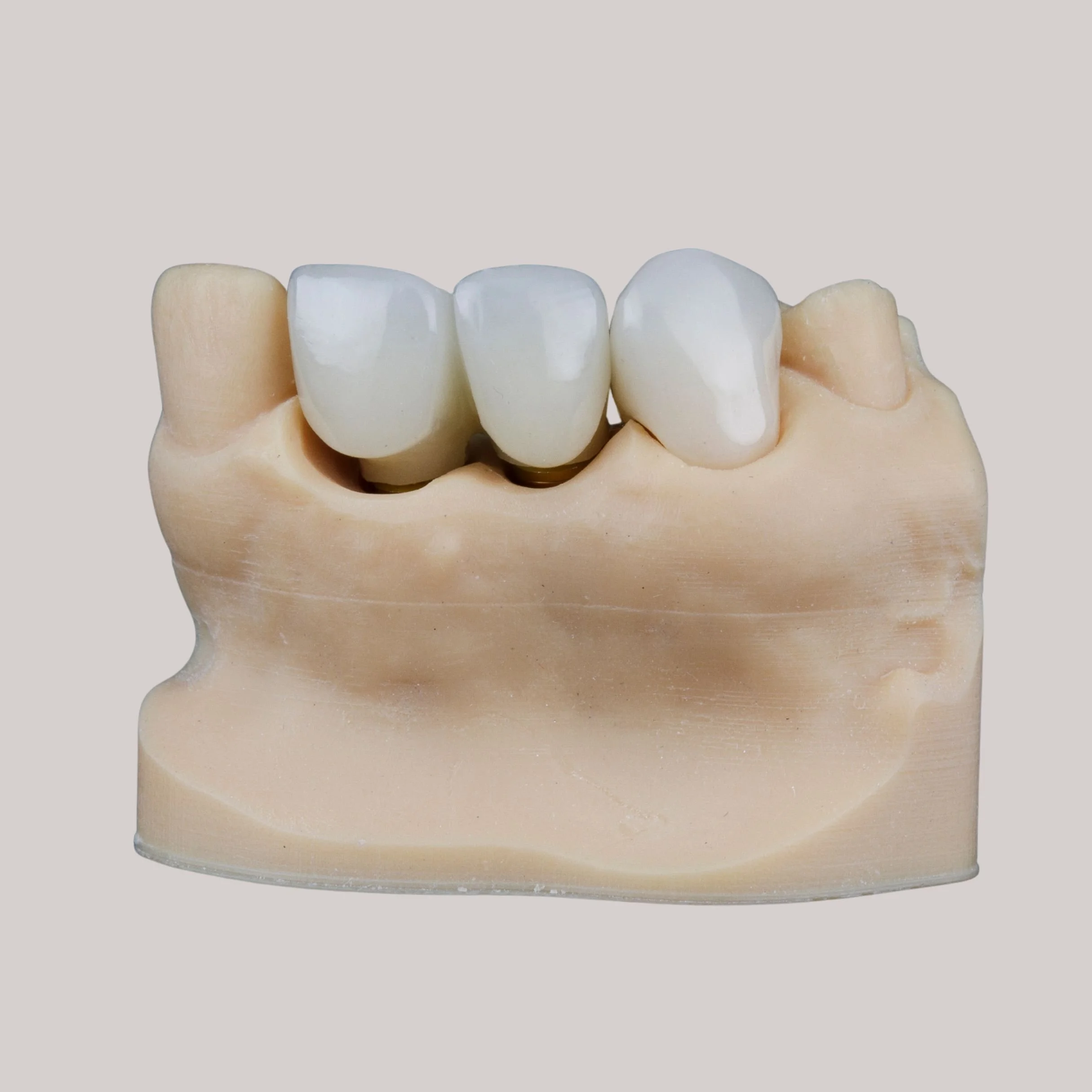
Restoring Strength, Function and Confidence in Your Smile
Dealing with a damaged or missing tooth can feel frustrating, especially when you’re trying to understand the different treatment options available.
Dental implants and crowns are two of the most common solutions but they’re often confused. In this guide we break things down explaining how each option works, when they’re used and what you can expect along the way.
Understanding Dental Implants, a Long-Term Solution for Missing Teeth
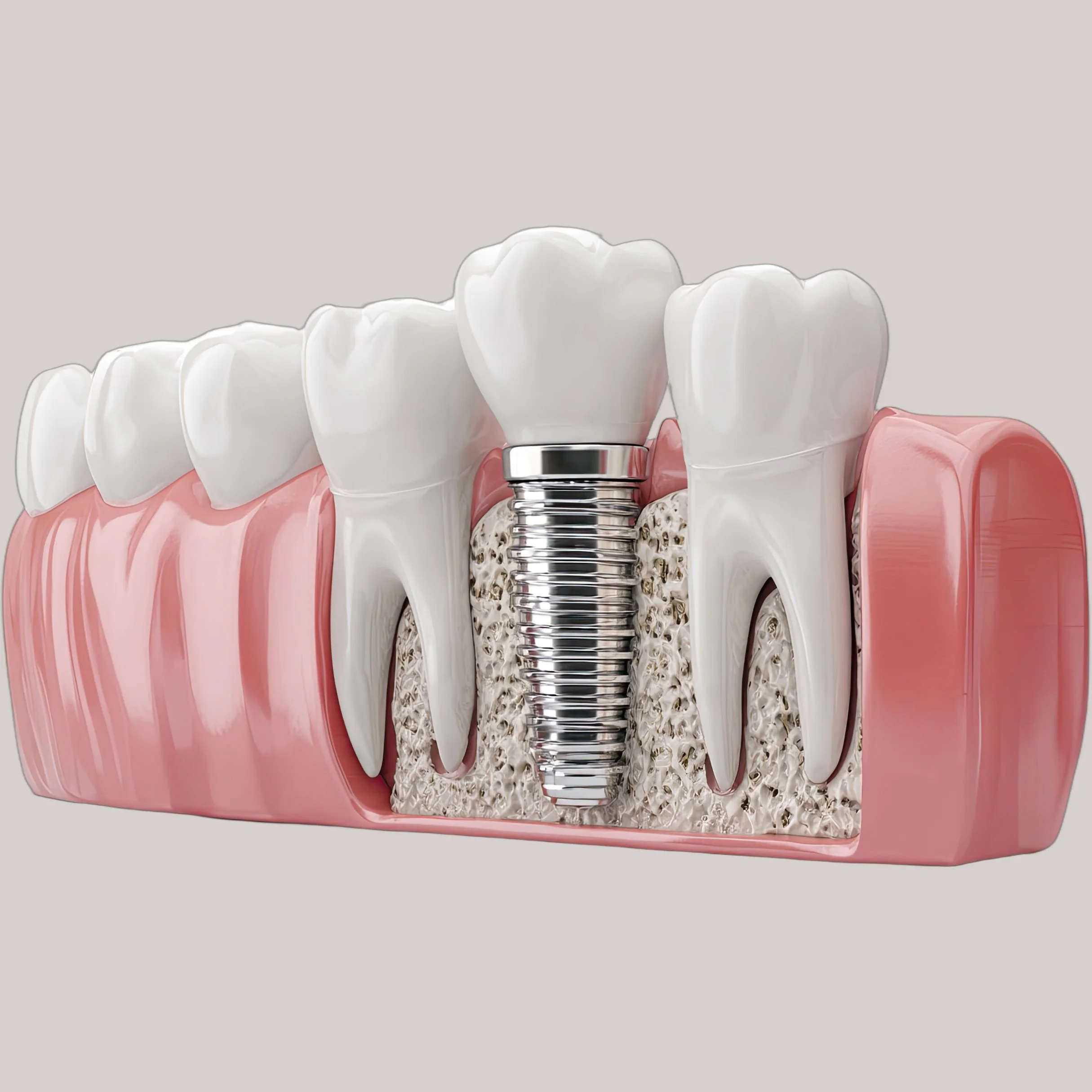
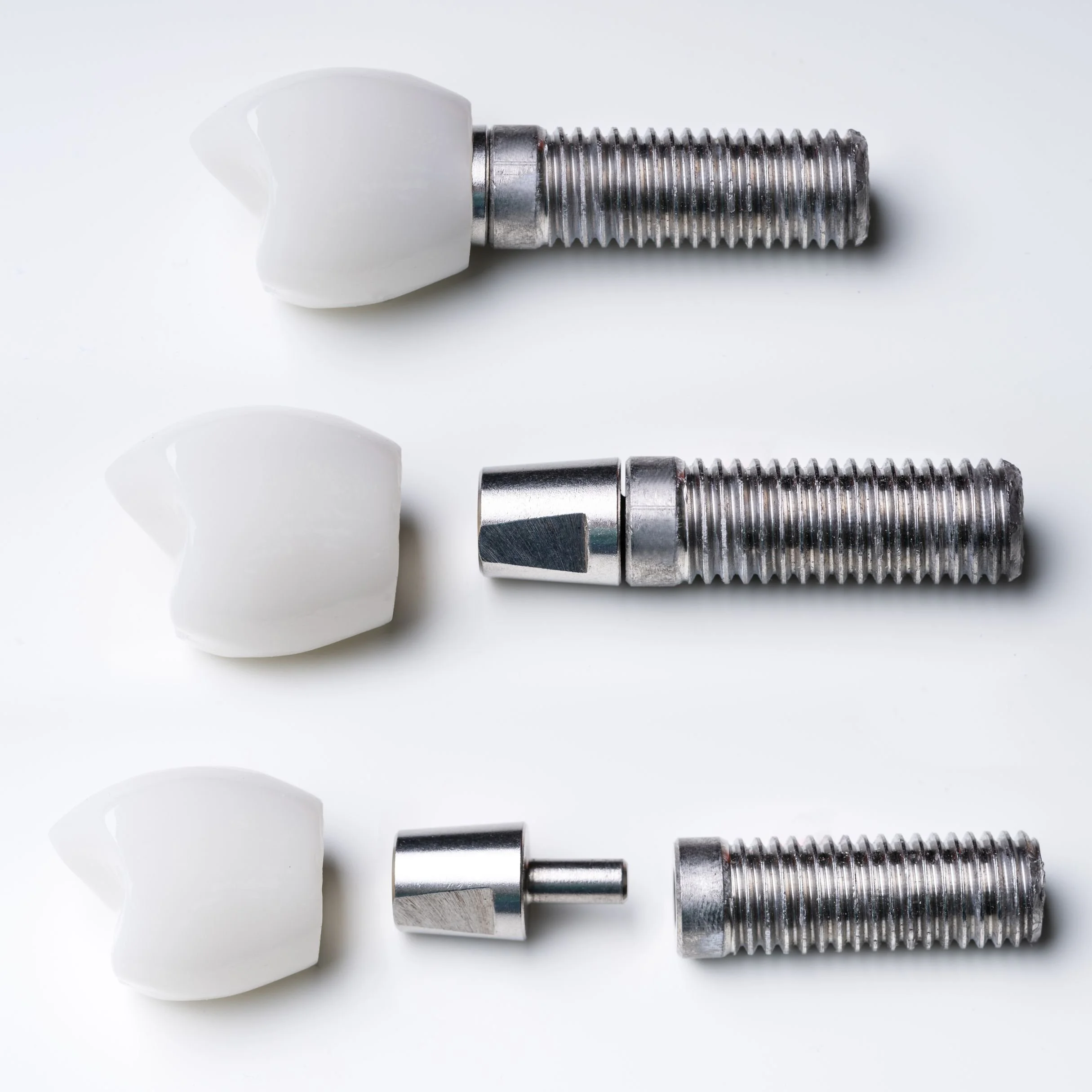
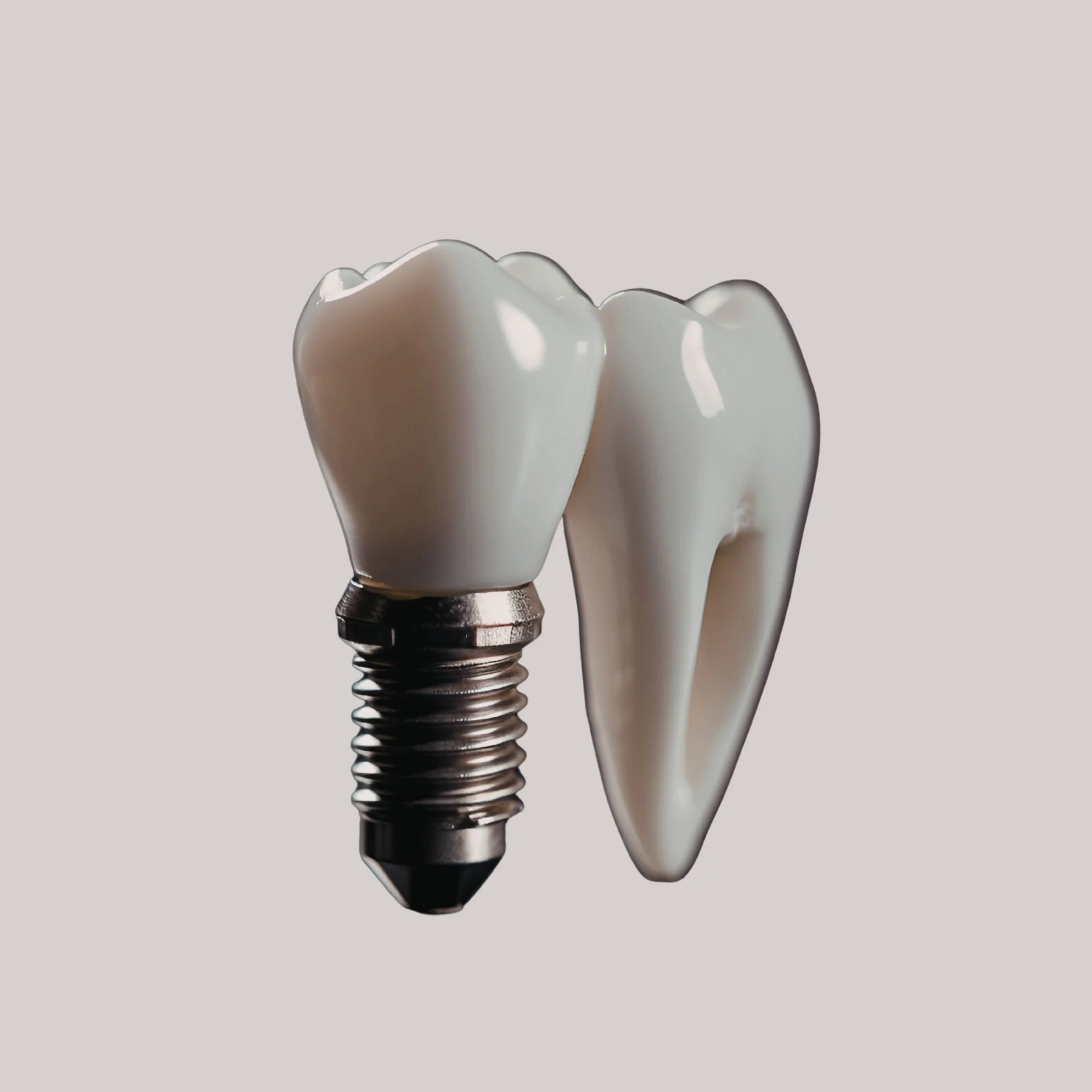
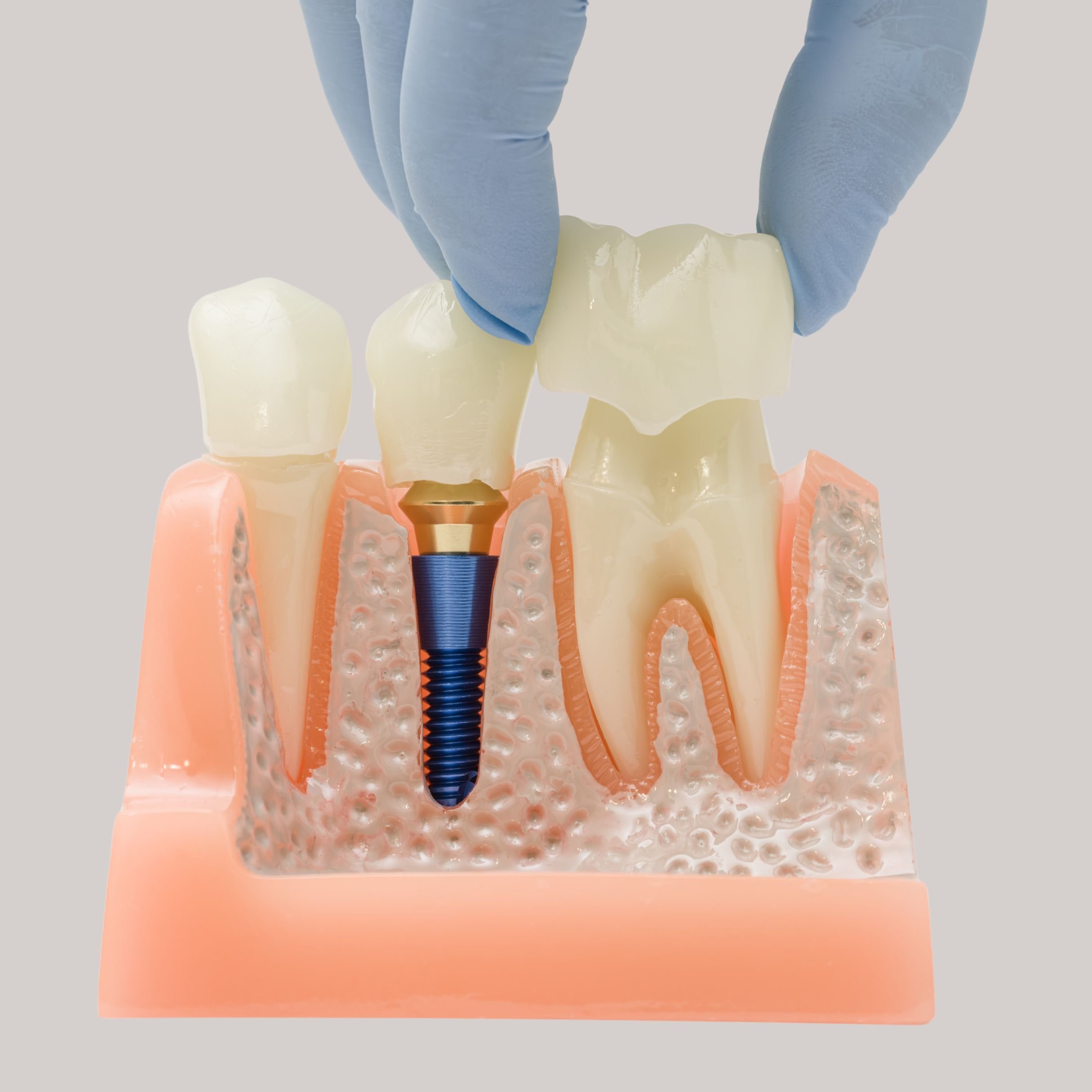
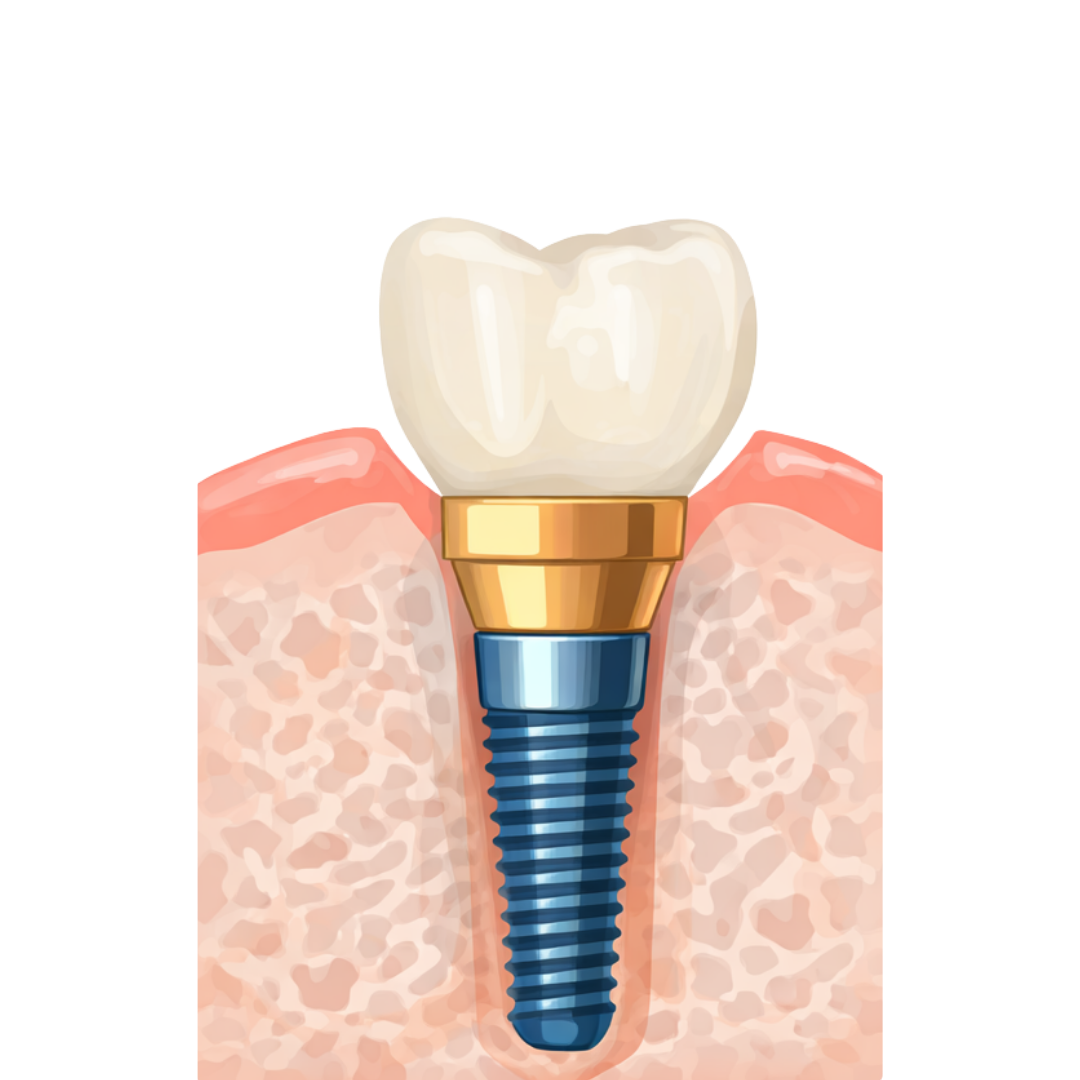
A dental implant is used to replace a missing tooth from the root up. It consists of a small titanium post that is placed into the jawbone, where it integrates over time to create a stable foundation. Once healed, the implant supports a custom-made dental crown, restoring both function and appearance.
Titanium is commonly used because it is strong, durable and biocompatible, meaning it can bond safely with the surrounding bone. In some cases, a ceramic alternative such as zirconia may be considered, depending on your individual needs and preferences.
Why Dental Implants Are Often Recommended
Dental implants are widely used because they provide a stable, long-term solution for missing teeth. They can:
Restore your natural chewing ability
Help maintain jawbone structure
Prevent neighbouring teeth from shifting
Provide a fixed, non-removable solution
For many patients considering dental implants, this approach offers a natural look and feel that closely mimics a real tooth.
Understanding Dental Crowns, Strengthening and Protecting Natural Teeth
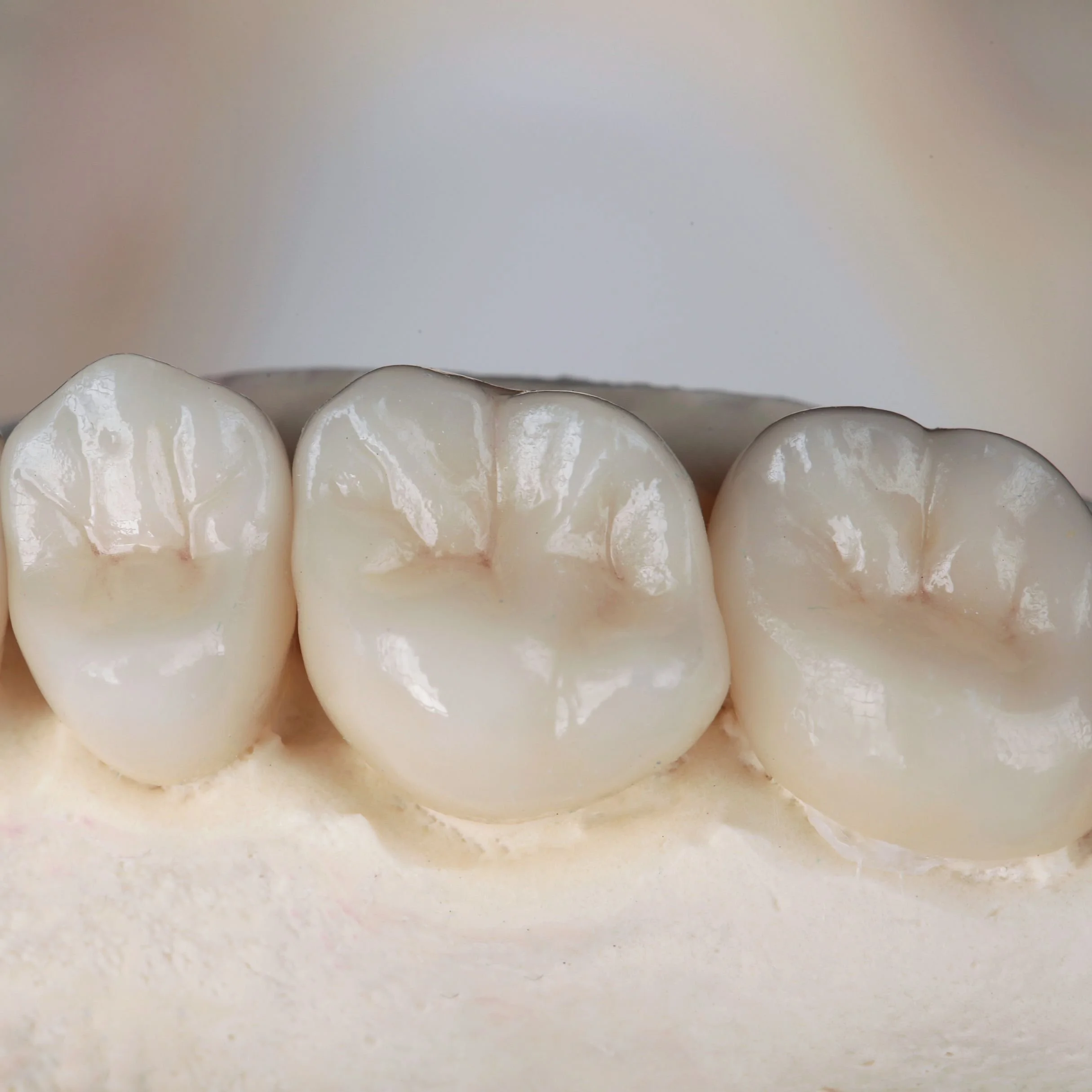
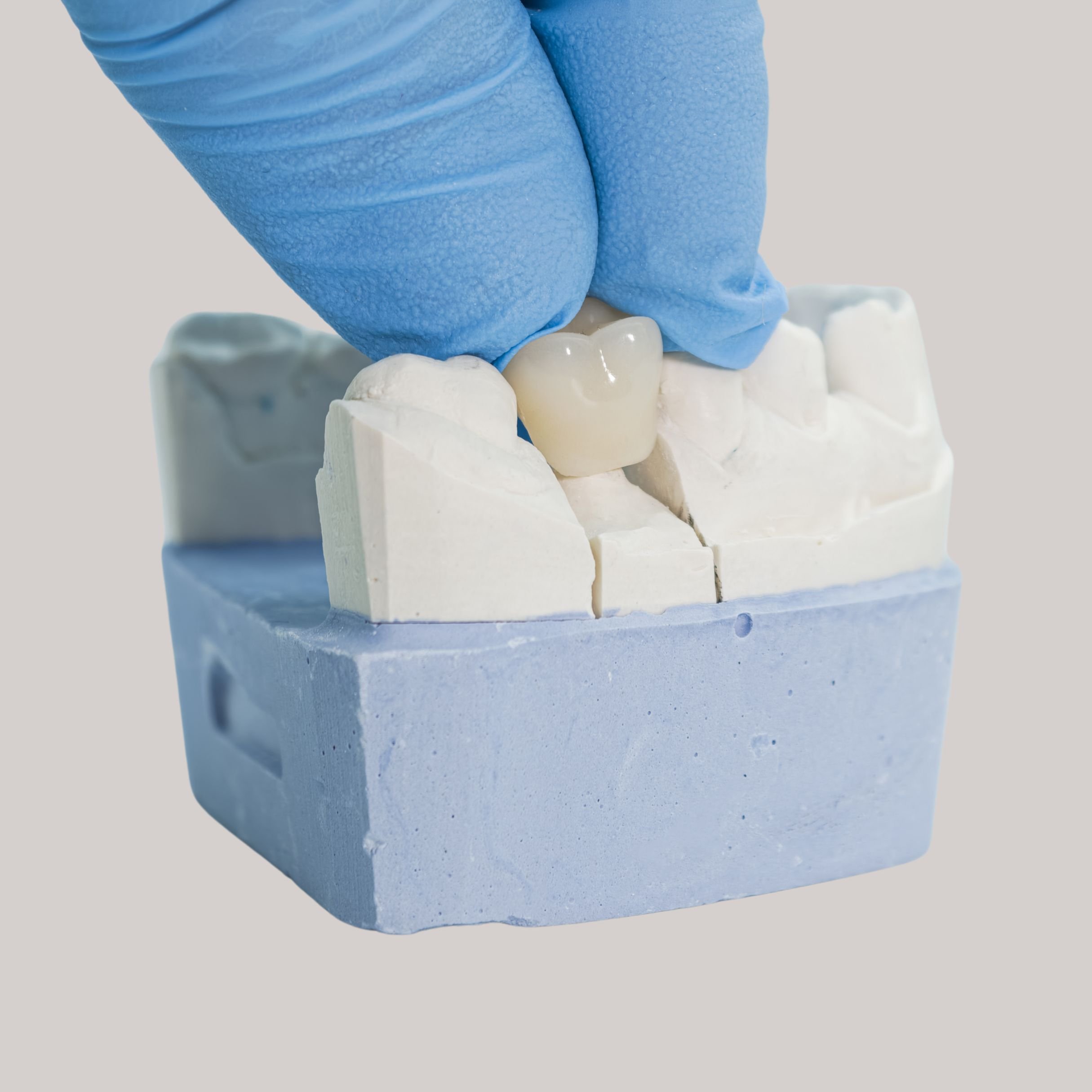
A dental crown is used when a tooth is still present but has been weakened or damaged. Rather than removing the tooth, a crown is placed over it to restore its strength, shape and appearance.
Crowns are typically made from durable, tooth-coloured materials such as porcelain or ceramic, which are designed to blend naturally with your existing teeth. In some cases, materials like zirconia or porcelain fused to metal may be used, depending on the location of the tooth and the level of strength required.
When a Dental Crown May Be Recommended
Crowns are commonly used in situations such as:
Cracked or fractured teeth
Teeth with large fillings
After root canal treatment
Teeth that are worn or weakened
Crowns can also be placed on top of dental implants to complete the restoration.
How dental Implants and crowns Work Together
Dental implants and crowns are often part of the same treatment process. When a tooth is missing the implant replaces the root and the crown replaces the visible part of the tooth. Together, they create a restoration that is designed to look, feel and function like a natural tooth. Understanding this relationship helps clarify why both treatments are often discussed together, even though they serve different roles.
Which Treatment Do You Need?
Deciding between a dental implant and a crown usually comes down to whether the natural tooth can be preserved. If the tooth is still intact and the root is healthy, a crown can often restore its strength and function without needing to remove it. On the other hand, if the tooth is missing or too damaged to be saved, a dental implant may be recommended to replace it completely and provide long-term stability.
Every situation is a little different, which is why a thorough assessment is important to determine the most suitable option for your individual needs.
| Feature | Dental Implants | Dental Crowns |
|---|---|---|
| Purpose | Replace a missing tooth from the root up | Restore and protect a damaged or weakened tooth |
| Best for | Teeth that are missing or cannot be saved | Teeth that are still present but need extra support |
| How it works | A small implant post is placed in the jawbone and topped with a custom crown | A custom-made cap is placed over the existing tooth |
| Longevity | Can last many years, often decades, with proper care | Typically lasts 10 to 15 years, often longer with good maintenance |
| Procedure | Usually completed in stages and includes a healing period | Usually completed over fewer appointments with no surgical placement |
| Jawbone support | Helps maintain jawbone structure after tooth loss | Does not replace the tooth root or support the jawbone |
| Look and feel | Designed to closely mimic the function and appearance of a natural tooth | Designed to blend in with your natural teeth and restore strength |
What to Expect from Dental Implant Treatment
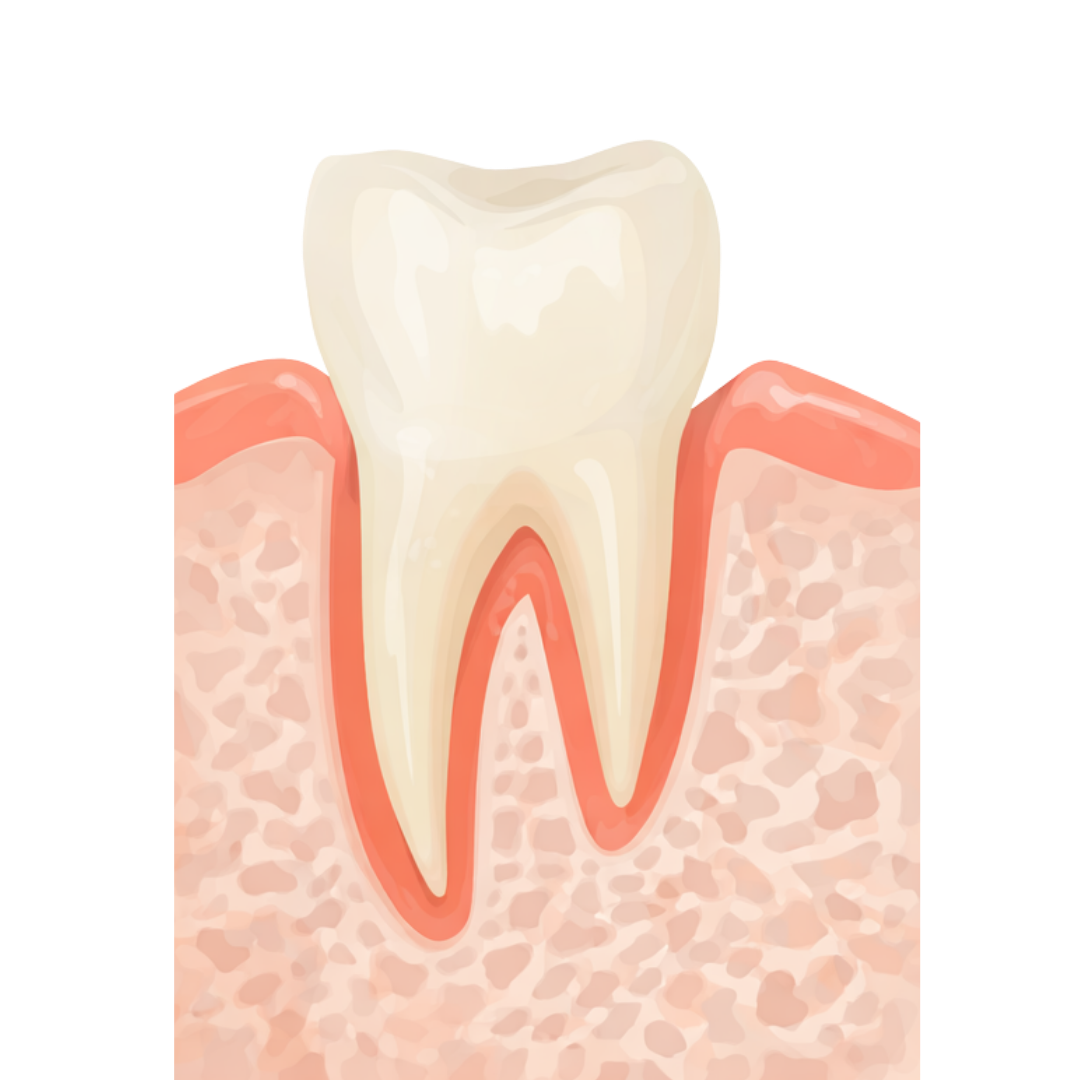
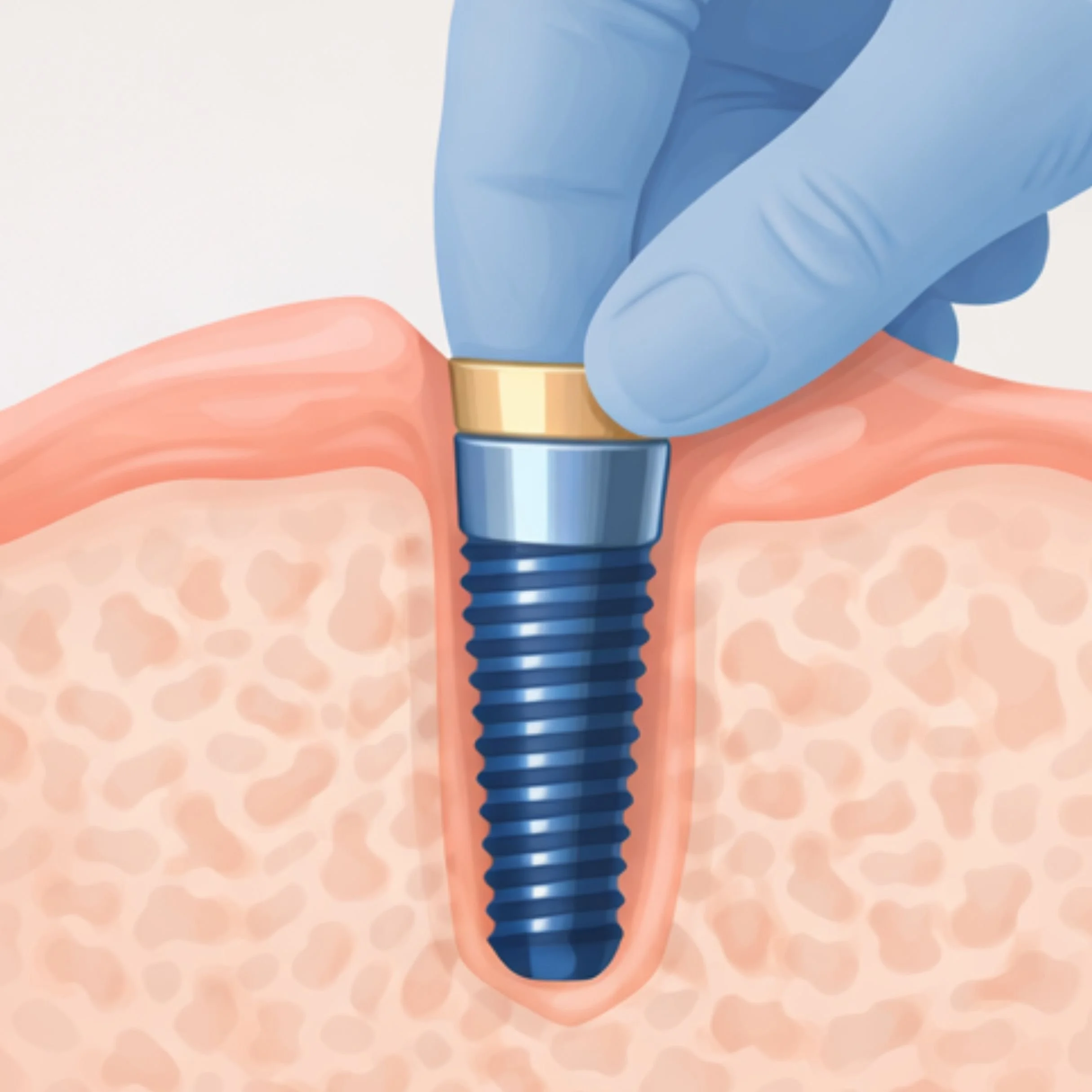
Dental implant treatment is usually completed in stages, allowing time for healing and integration. While it can sound complex at first the process is carefully planned and designed to be as straightforward and comfortable as possible.
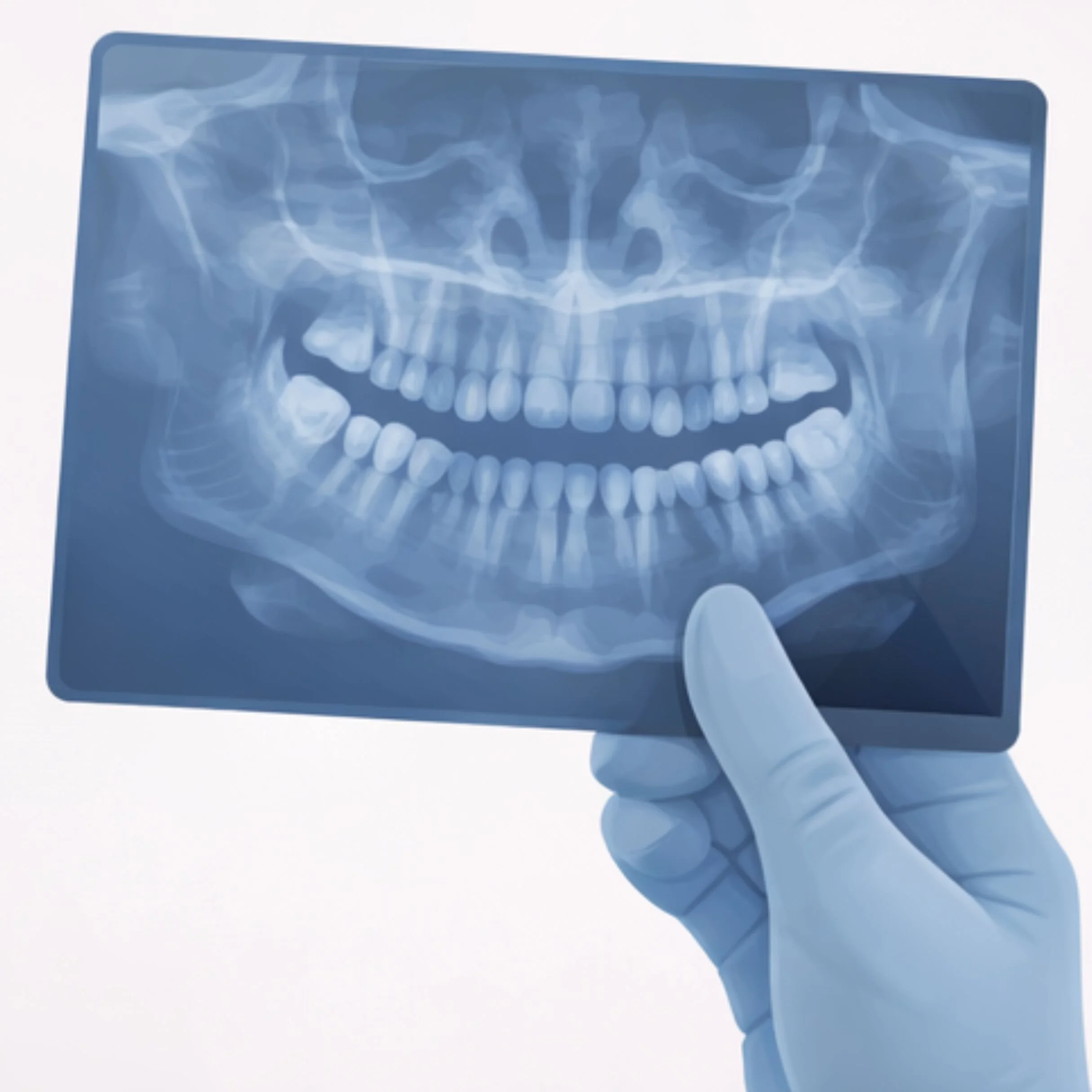
It begins with a detailed consultation, where we assess your teeth, gums and bone structure using digital scans or X-rays. This helps us determine whether an implant is suitable and allows us to plan the placement with precision. From there, the implant is placed into the jawbone under local anaesthetic. Most patients are surprised by how manageable the procedure feels, often comparing it to other routine dental treatments.
Over the following months, the implant gradually integrates with the surrounding bone in a process known as osseointegration. This step is important, as it creates a strong and stable foundation for the final restoration. Once healing is complete, a custom-made crown is attached to the implant, restoring both the appearance and function of the tooth.
What Is Recovery Like After Dental Implants?
It’s completely normal to have questions about recovery, especially if you’re unsure what to expect after the procedure.
In most cases, recovery from dental implant placement is more straightforward than many people anticipate. You may experience some mild swelling, tenderness or discomfort in the first few days following treatment but this is usually manageable and tends to settle within a few days.
In the early stages, particularly within the first week, it’s generally recommended to stick to softer foods and avoid placing pressure on the area while it begins to heal. Your dentist will guide you through this, along with any aftercare instructions to support a smooth recovery.
Over the following weeks and months, the implant gradually integrates with the surrounding bone in a process called osseointegration. This typically takes place over three to six months and is a key part of the treatment, as it creates the stable foundation needed for the final crown.
While healing times can vary, most patients are able to return to their normal routine quite quickly, often within a day or two. Throughout the process, our team will conduct regular check-ins to ensure everything is progressing as expected.
How Long Can Dental Implants and Crowns Last
Both dental implants and crowns are designed to be durable, long term solutions, although their lifespan can vary depending on individual factors and how well they are maintained. Dental implants themselves can last many years, often decades when supported with good oral hygiene and regular dental care. The crown attached to the implant typically lasts between 10 to 15 years, although many last longer with proper maintenance. Simple habits such as brushing and flossing regularly, attending routine check-ups and avoiding excessive pressure on the teeth can all help protect your restoration over time.
Are Dental Implants Right for You?
Most adults are suitable candidates for dental implants, although there are a few factors we consider before proceeding with treatment. These include your bone density, gum health, general medical history and lifestyle factors such as smoking, all of which can influence healing and long-term success. If needed, additional procedures such as bone grafting may be recommended to help create a stable foundation for the implant. This is discussed in detail during your consultation so you can feel fully informed before moving forward.

What to Know About the Cost of Dental Implants and Crowns
The cost of dental implants and crowns can vary depending on the complexity of your case and the type of restoration required. This may be influenced by the number of teeth being treated, whether any additional procedures are needed, the materials used and the overall treatment plan.
While cost is naturally an important consideration, it’s equally important to look at the long-term value. A well-planned and properly placed implant is designed to last for many years, making it a worthwhile investment in your oral health. During your consultation, we provide a clear and personalised breakdown of your options so you know exactly what to expect.
We also offer a range of flexible payment plans and can assist eligible patients through approved funding pathways to make treatment more accessible.
Why choose Valley Dental?
Choosing the right dental provider plays an important role in your overall experience and outcome. At Valley Dental and Nova Implant Centre, we focus on delivering personalised care in a calm and supportive environment. From your initial consultation through to your final result, our approach is centred around clarity, comfort and long-term outcomes.
We provide comprehensive assessments, modern diagnostic technology and custom-designed restorations, along with ongoing care to help maintain your results over time. Our clinic supports patients across Fortitude Valley, Brisbane CBD and surrounding suburbs who are looking for reliable, long term solutions for damaged or missing teeth.
Frequently Asked Questions
-
Most patients find the procedure more comfortable than expected, with only mild discomfort during recovery.
-
Treatment timelines can vary but generally take place over several months to allow for proper healing and integration.
-
Crowns are securely bonded although like any dental restoration, they may occasionally need adjustment or replacement over time.
-
Yes. Once healing is complete, implants and crowns are designed to function very similarly to natural teeth.
Take the Next Step Towards Restoring Your Smile
If you’re considering dental implants or crowns, taking the time to understand your options is a great first step. If you’d like to chat things through, you’re welcome to book a consultation with our team at Valley Dental in Fortitude Valley, Brisbane.