
Dental Implant Aftercare. How to Look After Your Implant While It Heals
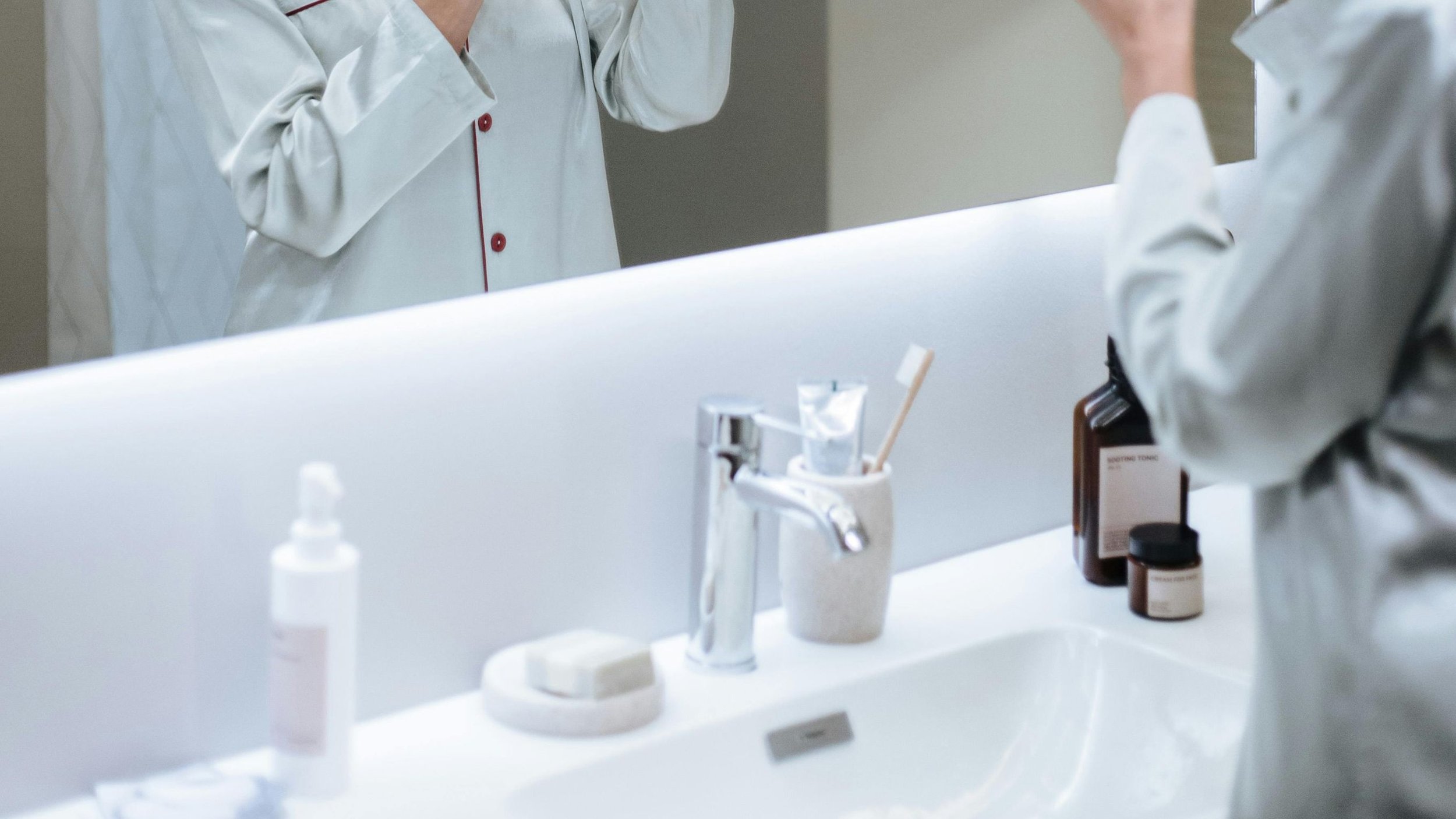
If you’re planning a dental implant treatment, you may be wondering what recovery will be like and how to look after the area while it heals.
At Valley Dental, you’ll be given personalised aftercare instructions following your procedure, but it can still help to have a general understanding of what to expect in the early stages.
In this guide, we’ll walk you through the recovery process, how to look after your implant as it heals and how to keep everything on track.
Why Aftercare Matters for Dental Implants
After a dental implant is placed, your body begins a natural healing process where the implant integrates with the surrounding bone. This is known as osseointegration, and it forms the foundation for a stable, lasting result. Looking after the area during this time helps support proper healing, reduces the risk of complications and helps the implant settle securely in place.
How Dental Implants Integrate with the Bone
Dental implants are designed to support the natural healing process. The surface of the implant is often treated or textured to encourage the surrounding bone to attach and grow around it more effectively. This process, known as osseointegration, allows the implant to become stable and function like a natural tooth over time.
During this stage, it’s important that the implant isn’t exposed to too much pressure or movement. Keeping the area protected in the early stages helps support a strong bond between the implant and the bone as it heals.
What to Expect After Your Procedure
Dental implant recovery is typically gradual and manageable, with most patients returning to their normal routine quite quickly.
Straight after your procedure, you’ll likely still feel the effects of anaesthesia or sedation, depending on what was used during your treatment. If you’ve had sedation, you may be able to head home fairly soon after. If general anaesthesia was involved, you may spend a little time in recovery first. In either case, you’ll need someone to drive you home, as you won’t be able to do so yourself.
In the first 24 hours, it’s normal to notice some swelling, mild bleeding or tenderness around the area. Swelling can vary from person to person, but it often peaks around day two or three before gradually settling.
Using an ice pack in short intervals can help reduce swelling, along with any medication your dentist has recommended. Some discomfort is expected in the first few days, but this is usually manageable with the right care and by following your aftercare instructions.
During the first week, the area begins to stabilise. You may be advised to stick to softer foods and avoid placing pressure on the implant while the initial healing takes place.
Over the following weeks and months, the implant continues to integrate with the jawbone beneath the surface, forming a stable foundation for the final restoration.
What to Eat After a Dental Implant Surgery
What you eat in the early stages can make a noticeable difference to how comfortably your implant heals. In the first few days, it’s best to stick to softer foods that don’t require much chewing. Options like yoghurt, eggs, soups, mashed vegetables or smoothies are usually well tolerated.
As the initial tenderness settles, you can gradually reintroduce more solid foods. It’s still a good idea to avoid anything too hard, crunchy or sticky early on. Try to chew on the opposite side where possible and avoid very hot foods or drinks in the first few days, as these can increase sensitivity.




How to Keep Your Dental Implant Clean While It Heals
Keeping the area clean while your implant heals is an important part of recovery. The goal is to maintain good oral hygiene without disrupting the healing process.
first 24 hours
You’ll usually be advised to avoid brushing directly over the implant site. This helps protect the area while the initial healing begins.
After 24 hours
You can begin gently brushing your teeth again, taking care to avoid the implant site or clean around it very lightly with a soft-bristled toothbrush.
Days 2 to 7
You can gradually start brushing closer to the area as comfort allows. Keeping your brushing gentle and controlled is key during this stage.
After the first week
Most patients can return to a more normal brushing routine, while still being mindful not to apply too much pressure to the area. A saltwater rinse or medicated mouthwash may be recommended to help reduce bacteria and keep the area clean.
What to Avoid While Your Implant Heals
While recovery is usually straightforward, there are a few things worth avoiding in the early stages to help protect the area and support healing. In the first few days, try to avoid:
Chewing on the implant side
Even if the area feels comfortable, placing pressure too early can interfere with healing.Hard, crunchy or sticky foods
These can irritate the area or place unnecessary strain on the implant.Intense physical activity in the first week
Exercise can increase blood flow, which may lead to more swelling or bleeding early on.Returning to physically demanding work too soon
Jobs that involve lifting or straining may need a little more recovery time to avoid discomfort.Smoking during the healing period
Smoking can affect healing and increase the risk of complications.Touching the implant site
Avoid using your fingers or tongue, as this can disrupt the area while it’s still healing.
Signs Your Implant Is Healing Well
Healing tends to happen gradually but there are a few reassuring signs that things are progressing as expected. You may notice discomfort reducing over time, the gums settling and the area feeling more stable day by day. If everything continues to improve week by week, this is usually a good indication that the implant is healing well.
Frequently asked questions
-
You can usually start brushing your teeth again after 24 hours, taking care to avoid the implant site at first. Brushing can gradually return to normal as the area heals.
-
Healing happens in stages. The initial healing phase usually takes one to two weeks, where the gums begin to settle.
Underneath the surface, the implant continues to integrate with the bone over the following three to six months. This is what creates a stable foundation for the final crown
-
Signs of normal healing include reduced discomfort over time, settling of the gums and increased comfort when eating and brushing.
-
With the right care, recovery is generally manageable but it’s important to check in if something doesn’t feel quite right. You may want to contact your dentist if you notice:
Pain that is increasing rather than improving
Swelling that doesn’t settle
Signs of infection
Any concerns about how the area is healing
Take the Next Step with Confidence
If you’re preparing for dental implant treatment, you can also read our complete guide to dental implants and crowns to understand the full treatment process. Should you have any questions about recovery, our team at Valley Dental in Fortitude Valley, Brisbane is here to help.
Contact us here.